
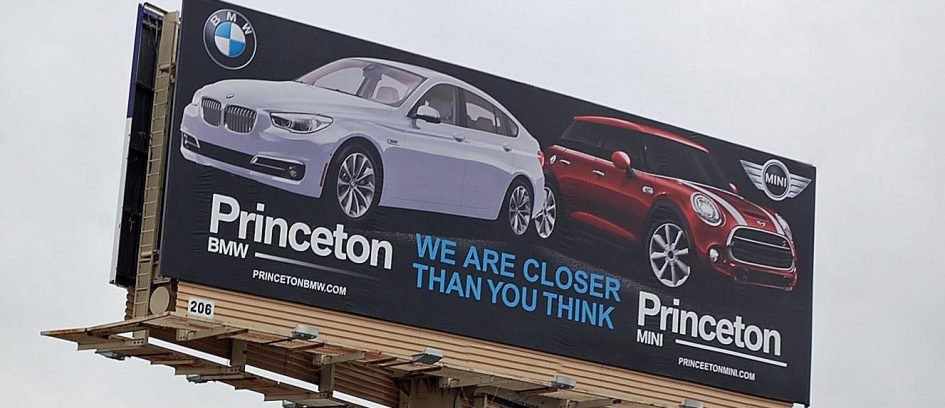
If you are planning an out-of-home buy, billboard advertising cost can feel opaque at first because pricing is not a single number. Rates shift based on geography, visibility, format, timing, and how much of a digital screen you are actually purchasing. Once you break the line items into clear categories, budgeting becomes far more predictable. This helps you compare options with confidence.
This guide explains what typically drives pricing and what additional charges can appear. It also touches on how experienced buyers evaluate value, so you can build a plan that fits your goals and avoids surprises.
What You Are Paying for in an OOH Placement
A billboard is not priced like a social ad, where you set a daily cap and let an algorithm do the rest. You are purchasing a physical or digital display with a defined location, audience flow, and availability window. In most U.S. markets, the rental period is often structured in four-week blocks, though exact terms vary by operator and format.
For a digital unit, you usually purchase a share of the rotation, sometimes described as share of voice. That means your message appears for a few seconds per loop alongside other advertisers. Static faces, on the other hand, give exclusive use of that display for the rental window, but come with production and posting requirements.
The Primary Drivers That Move Pricing Up or Down
Several variables have the biggest influence on rate cards and negotiated quotes. Major metros and high-competition corridors typically command higher fees than smaller cities or secondary routes. A billboard near a major interchange, a dense business district, or a high-profile destination generally carries a premium because many brands want the same limited faces.
In broad terms, digital displays often carry higher base rates because they offer flexibility and premium placement, while static faces can span from very low in rural areas to very high in top urban zones. Industry summaries commonly cite wide ranges, such as roughly $250 to $25,000 for a standard four-week static rental. Costs are also bout $770 to $20,000 per month for digital, depending on location and share of voice.
The “Hidden” Line Items: Production, Posting, and Creative Work
The rate you receive for the space is only one part of the budget. Many first-time buyers get surprised by the supporting expenses. Static placements often require vinyl printing and posting, plus removal at the end of the term. Operators may include some of this in a package, or they may separate it as distinct charges. Confirm whether the quote includes production, posting, and takedown so your cash plan reflects the full commitment.
Even when you already have brand assets, billboard creative needs specific file formats, safe zones, and legibility standards. Digital artwork has additional specs for resolution, motion limits, and brightness guidelines. The design cost may be internal, agency-based, or handled by a contractor. Still, it should be treated as a real budget line.
How Professionals Evaluate Value Using CPM and Impressions
Cost alone is not the right benchmark. CPM is a common way to compare out-of-home placements with other channels. CPM means cost per thousand impressions and is typically calculated by dividing total spend by impressions in thousands. OOH impressions are supported by measurement standards and analytics approaches that help planners estimate exposure and compare options across formats.

Industry discussions frequently cite billboard CPMs that are competitive, often in a range such as roughly $6 to $10 on average, with high-profile urban placements trending higher. The exact number depends on the unit, market, and inventory type. However, the planning method stays consistent: evaluate estimated impressions, confirm the audience fit, then compare candidate locations on equal footing.
How to Build a Budget That Matches Your Goal and Timeline
Budgeting works best when you start with outcomes, then choose the mix that supports those outcomes.
If the objective is broad awareness, planners often prioritize sustained presence on strong corridors with creative that is simple and memorable. If the aim is lead capture or recruitment response, digital can add flexibility through creative swaps and time-based messaging. Meanwhile, static can reinforce trust through consistent, uninterrupted exposure.
Plan the timeline in realistic flights. Many brands see stronger results when they run long enough for frequency to build. Use the first flight to validate messaging, then optimize creative and placement based on what you learn.
Make Pricing Simple With Full Inventory Access in Every Market
Billboard Connection helps medium and large organizations make sense of billboard advertising cost by turning a confusing market into a clear set of choices. With localized expertise in metro areas and the towns within them, plus 100 percent access to every billboard in every U.S. market, they can compare placements across operators and secure premium options without forcing you into a single network’s constraints.
If you want a straightforward plan that matches your goals, your timeline, and the exact areas you need to cover, reach out to Billboard Connection to review inventory, pricing scenarios, and the best next steps for your campaign.