
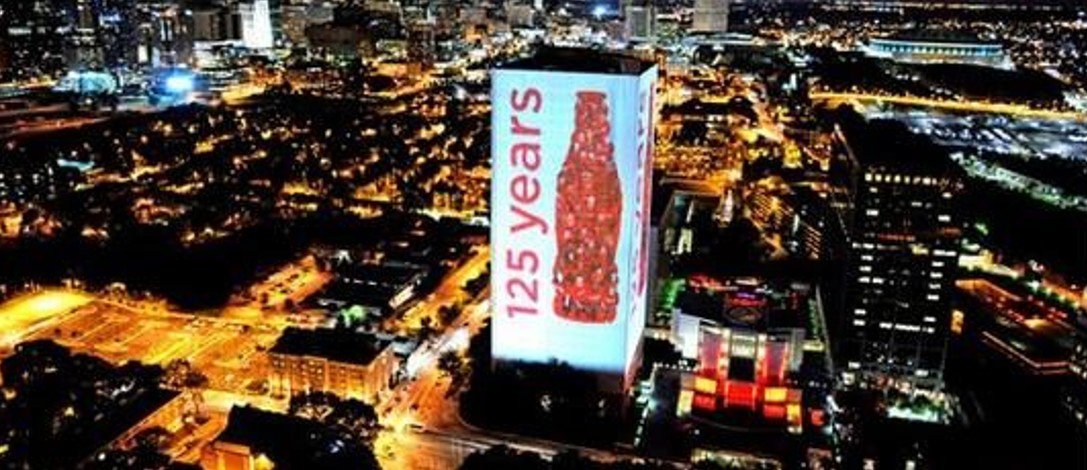
Billboard lighting schedules matter more in winter because shorter days can reduce visibility during key travel hours. Traffic may stay strong, but daylight does not. People are still commuting, shopping, attending events, and traveling for work when natural light is limited. That can affect how well an ad is seen, especially during the early morning and late afternoon windows when many roads are still busy.
For companies investing in outdoor advertising, lighting should be part of campaign planning from the start. A location may have the right traffic and the right audience, but if visibility drops during important commute periods, the message can lose impact. In winter, lighting is not just a technical detail. It helps protect the value of the placement.
Why Billboard Lighting Schedules Matter in Winter
During winter, the same billboard can be viewed under very different conditions than it would be in spring or summer. Shorter days mean more trips happen in dim or dark settings. Drivers may be dealing with headlights, weather, lower contrast, and more visual strain by the end of the day.
This is where billboard lighting schedules make a real difference. If lighting is aligned with actual viewing conditions, the ad stays visible when the audience is on the road. If it is not, the placement may be harder to read during some of the most important traffic periods.
That matters because billboard advertising depends on fast recognition. Drivers do not have much time to absorb a message. If low-light conditions make the ad less noticeable, the campaign can lose some of its strength before the audience even has a chance to process it.
Winter Commutes Can Change Ad Performance
A location that performs well in one season may not perform the same way in another. In winter, visibility often shifts during the same hours when roads are still busy. Morning traffic may begin before full daylight, and evening traffic may continue after sunset.
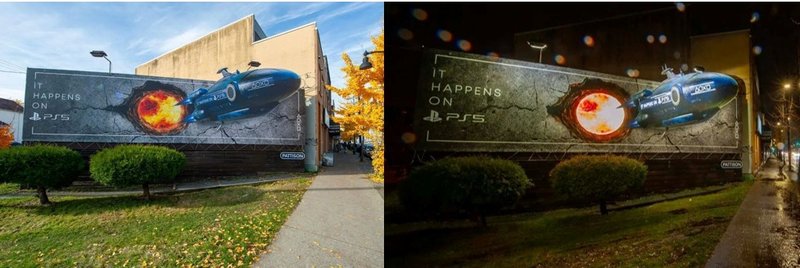
That changes how people experience the same location. An ad that is easy to read in June may be harder to notice in December, especially when darker skies, weather, or surrounding lights reduce contrast.
That is why winter campaigns need added planning. Instead of assuming a location will perform the same year-round, advertisers should consider how it looks during real winter travel conditions. Billboard lighting schedules help keep visibility aligned with the season, not just the map.
Billboard Lighting Schedules Help Protect Readability
Outdoor advertising works best when the message is easy to read at a glance. In winter, that becomes more difficult because low-light conditions can reduce the clarity of text, colors, and design elements.
Drivers need to recognize the brand, understand the message, and keep moving. Good lighting helps support that process. Strong billboard lighting schedules help preserve readability during darker travel periods and maintain contrast, so the message does not get lost against the surroundings.
A well-lit ad is easier to see, easier to process, and easier to remember.
Lighting Should Match Real Traffic Patterns
A winter campaign should be built around when people are actually traveling, not just when the ad is live. Some locations need stronger evening visibility because that is when traffic is heaviest. Others depend more on early morning exposure. In both cases, the goal is the same: keep the message visible during the hours that matter most.
That is why billboard lighting schedules should match traffic patterns as closely as possible. This matters even more in metro areas like Atlanta, where commuters travel across both urban and suburban corridors and often drive during darker winter hours.
Winter Ads Need More Than a Good Location
A strong location is still important, but winter campaigns depend on more than placement alone. An ad can sit on a valuable corridor and still underperform if seasonal conditions make it harder to see at the right times.
That is why winter planning should look at the full viewing situation, including:
- location
- traffic patterns
- message clarity
- lighting conditions
When these pieces work together, the ad has a better chance to stay visible and readable throughout the season. When one part is overlooked, the campaign can lose effectiveness even if the rest of the setup is strong. In practical terms, lighting helps support the location you already paid for.
Billboard Lighting Schedules Support Better Campaign Value
Advertisers often measure value by traffic volume or premium placement. Those factors matter, but they are not the full picture. A campaign creates more value when the ad stays visible during the hours that matter most.
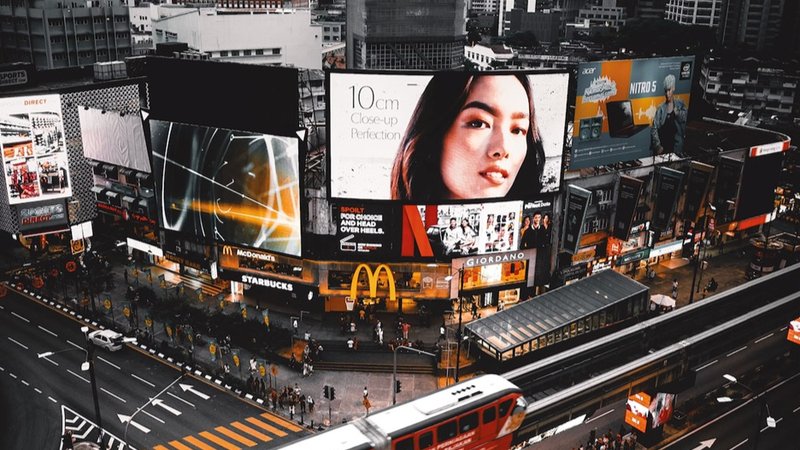
In winter, billboard lighting schedules help protect that value by improving visibility when natural light is limited. That can lead to:
- better visibility during morning and evening commutes
- stronger readability in lower-light conditions
- more chances for drivers to notice the ad
- better brand recall later
- stronger support for awareness and market presence
In that way, lighting can help turn a good location into a stronger performing one.
Better Planning Starts with Better Access
A common challenge in outdoor advertising is limited access to available locations. When a company cannot review all its options, it becomes harder to choose the right setup for a winter campaign.
Billboard Connection Atlanta helps solve that problem with local expertise and access to every billboard in every market in the U.S. That gives medium and large-sized companies a better way to evaluate placements based on visibility, timing, and campaign needs.
If your team is planning winter advertising and wants stronger visibility during key travel hours, reach out to us to explore billboard opportunities in Atlanta and beyond.