

Billboard advertising for B2B works best when it is built around a clear strategy. B2B companies are not usually trying to win impulse buyers. They are trying to build recognition with decision-makers who may take weeks or months to choose a vendor.
That makes planning important. A successful campaign should connect the business goal, audience, location, and message. Each piece should support the next step, whether the company wants to enter a new market, promote an event, support recruiting, or stay visible during a longer sales cycle.
Billboard campaigns can also support the rest of the company’s marketing. When offline visibility and digital follow-up work together, the brand becomes easier to recognize, search, and contact.
Why Billboard Advertising Still Works for B2B Brands
B2B buyers may not make decisions quickly, but they still notice familiar brands. A company they see during a commute, near an airport, or close to a business district can feel more recognizable when a need comes up later.
That matters in markets where several companies offer similar services. Buyers may compare options online, ask for referrals, or respond to sales outreach. For B2B brands using billboard advertising in Atlanta, repeated exposure can help the company feel more familiar before a buyer searches or responds to outreach.
Billboard advertising also gives B2B companies steady market presence. It can support awareness before a sales call, trade show, website visit, or proposal request.
The goal is not to explain the full offer on one sign. It is to make the company easier to notice, remember, and search later.
Start With the Business Goal Behind the Campaign
A strong B2B billboard campaign should start with the business goal. The message, location, and timing should all support what the company wants to accomplish.

Some companies may want to enter a new market. Others may want to promote a trade show, support hiring, reach enterprise buyers, or strengthen regional brand awareness.
The goal should guide the campaign plan. A company targeting executives may need airport-area or business district visibility. A company hiring skilled workers may need exposure near industrial corridors or commuter routes.
When the goal is clear, billboard advertising becomes more than a visibility play. It becomes part of a practical B2B growth strategy.
Choose Billboard Locations Based on Decision-Maker Movement
B2B buyers are still people moving through real places. They commute, travel, attend events, visit clients, and spend time in business corridors.
That movement should guide billboard placement. Strong B2B locations may include airport routes, business districts, convention areas, major commuter corridors, industrial zones, and routes near corporate campuses.
Each location should connect to the audience the company wants to reach. A software company may want visibility near a tech district or airport route. A logistics provider may benefit from placement near industrial corridors. A professional services firm may benefit from billboards in Downtown Atlanta, where commuter and business traffic can support a stronger market presence.
The best location is not always the largest board. It is the one that reaches the right decision-makers often enough to build recall.
Keep the B2B Billboard Message Simple
B2B products and services can be complex, but the billboard message should not be. Drivers and passengers only have a few seconds to understand the ad.
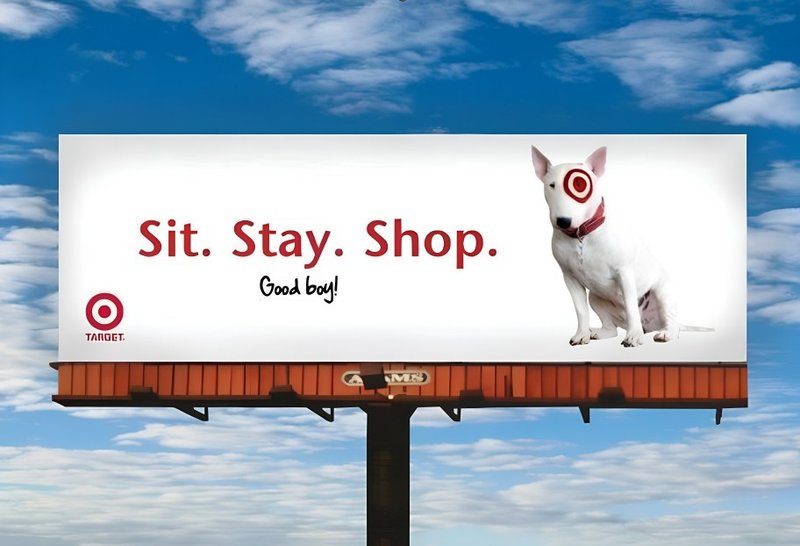
A strong B2B billboard should focus on one clear idea. That could be a brand promise, category position, event message, or reason to remember the company.
Long explanations, industry jargon, and crowded visuals can weaken the message. The billboard does not need to close the sale. It needs to make the company easier to recognize and remember.
The website, landing page, or sales team can provide the details later. The billboard should create enough interest for the next step.
Use Billboard vs Digital Ads as a Combined Strategy
The billboard vs digital ads conversation should not be either-or. For B2B companies, the stronger approach is often to use both channels with the same goal.
Billboards can build recognition in the market. Digital ads can support targeting, retargeting, landing pages, and lead capture. When both channels carry a consistent message, prospects are more likely to recognize the brand across different touchpoints.
That matters in longer B2B sales cycles. A decision-maker may see the billboard during a commute, notice a digital ad later, then visit the website when the need becomes active.
Used alongside digital campaigns, outdoor advertising opportunities across major and secondary markets can help B2B brands strengthen recognition in the physical markets they serve.
Plan B2B Billboard Advertising with Better Access
B2B billboard success depends on more than buying available space. The campaign needs the right market, location, message, and timing.
Limited inventory can make that harder. If a company only sees a small set of options, it may miss stronger placements that better fit the audience.
Billboard Connection Atlanta helps businesses review billboard opportunities with access to every billboard in every market in the U.S. That gives B2B companies a better way to compare locations, evaluate visibility, and build campaigns around real business goals.
If your team is weighing billboard vs digital ads, reach out to Billboard Connection Atlanta to explore billboard options that can support brand visibility, digital marketing, and long-term B2B growth.