

In today’s marketing landscape, businesses face countless options for reaching their audience. Two of the most talked about channels are billboards and social media. Both have clear advantages, but when it comes to building brand trust, the choice isn’t just about reach; it’s about credibility, visibility, and consistency. Understanding the strengths of each can help marketers make smarter decisions for long-term brand loyalty.
The Power of Billboards in Building Trust
Billboards have been a staple of advertising for decades, and for good reason. A large, well-placed billboard signals that a brand is established, credible, and invested in its audience. Physical presence matters: when people see a billboard in a high-traffic area repeatedly, it reinforces brand recognition and familiarity, which are two key drivers of trust.
Here are some of the greatest advantages of billboard advertising:
- Consistency and permanence – A billboard remains in a location for weeks or months, creating repeated exposure.
- Wide reach in specific locations – Strategic placement along highways, commuter routes, or downtown areas ensures your brand is seen by the right audience.
- Visual impact – Large formats, bold graphics, and simple messaging make an immediate impression that can feel more authoritative than fleeting digital ads.
For businesses looking to establish themselves as a trusted presence in local markets or along key commuter routes, billboards remain a proven tool for credibility.
The Role of Social Media in Brand Trust
Social media offers a different type of influence. Platforms like Facebook, Instagram, and LinkedIn allow brands to interact directly with audiences, showcase personality, and respond in real-time. Engagement metrics such as comments, shares, and reviews can demonstrate popularity and social proof, which also contribute to trust.
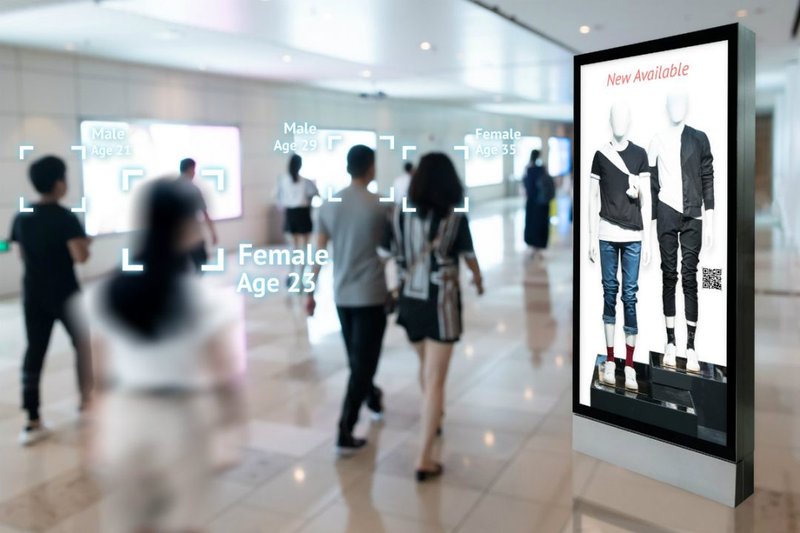
Here are some of the greatest advantages of social media marketing:
- Two-way communication – Brands can answer questions, provide updates, and show responsiveness.
- Targeted reach – Advanced algorithms allow precise targeting by location, interests, and demographics.
- Content variety – Video, images, stories, and posts enable brands to convey personality and values beyond static visuals.
However, trust on social media can be fragile. Negative comments, algorithm changes, or inconsistent posting can undermine credibility if not managed carefully.
Comparing Billboard vs Social Media for Trust
When deciding between billboard vs social media, it’s important to consider the type of trust you want to build. Billboards project stability and professionalism, giving brands a tangible presence. Social media offers immediacy and relatability, showing that a brand is engaged and approachable.
In many cases, the most effective strategy is a hybrid approach. A billboard campaign can establish authority and visibility, while social media reinforces the message, provides engagement opportunities, and allows brands to connect personally with their audience. Together, they create both credibility and approachability—two pillars of trust.

Here are some key considerations for your strategy:
- Audience behavior – If your customers are commuters, local residents, or travelers along key routes, billboards create strong first impressions and reinforce brand credibility in physical spaces.
- Engagement needs – Social media allows direct interaction, feedback, and social proof. Prompt responses and engaging content show your brand is approachable, active, and trustworthy.
- Consistency – Repeated exposure through billboards and regular social posts strengthens recognition, builds familiarity, and reinforces reliability over time.
- Integration – Aligning visuals, messaging, and calls-to-action across both channels creates a seamless brand experience. Combined, billboards and social media amplify reach, credibility, and audience engagement.
Why Brands Should Not Choose Exclusively
Relying solely on social media can leave gaps in perception. While digital channels are excellent for targeting and engagement, they may lack the tangible credibility that physical advertising provides. On the other hand, billboards alone can feel impersonal if there’s no follow-up or digital presence to provide more information.
For medium to large companies seeking long-term brand trust, a combined strategy is often the most effective. Billboards reinforce authority, while social media builds relationships and demonstrates responsiveness—creating a balanced, credible brand presence.
Finding the Balance
Choosing between billboard vs social media isn’t about which channel is “better” overall—it’s about which builds trust most effectively for your audience and market. Billboards deliver visibility, permanence, and authority, while social media supports engagement, relatability, and real-time interaction.
When used together, the result is stronger brand credibility. Businesses that work with experienced partners like Billboard Connection can align high-visibility outdoor placements with digital messaging, ensuring their brand is consistently seen, recognized, and trusted across both physical and online spaces. Contact us to get started today.