

Bulletin vs poster billboards is a practical decision for any company planning an outdoor advertising campaign. Both formats can build visibility, but they do it in different ways.
The right choice depends on where the ad will run, how fast the audience is moving, and what the campaign needs to accomplish. A format that works well on a major highway may not be the best fit for a neighborhood corridor or local route.
Choosing the right billboard format starts with strategy. When the format matches the market, message, and audience, the campaign has a better chance of being seen, understood, and remembered.
What Bulletin vs Poster Billboards Really Means
The bulletin vs poster billboard comparison starts with size, placement, and campaign purpose. Both formats can be effective, but they are designed for different uses.
In general:
- Bulletin billboards are larger formats often used along highways, interstates, and major commuter routes.
- Poster billboards are smaller formats often placed along local roads, neighborhood corridors, and secondary routes.
- Bulletins can support broad market awareness, product launches, and high-traffic visibility.
- Posters can support local exposure, directional messaging, and targeted neighborhood reach.
For companies comparing different billboard formats, the better choice is not always the larger format. It depends on how the audience moves, how much space the message needs, and where the campaign should make the strongest impression.
When Bulletin Billboards Are the Better Choice
Bulletin billboards often make sense when the campaign needs scale. Their larger format can help brands stand out on busy roads, where drivers move quickly, and viewing distance is limited.
This can be useful for regional campaigns, product launches, market entry, tourism messages, and broad brand awareness. A bulletin gives the advertiser more physical presence in high-traffic areas.

Major commuter routes, such as billboards on I-75, can be a strong fit for a brand seeking repeated exposure among drivers, commuters, and regional travelers.
Still, a larger size does not mean more copy. The message should stay short, clear, and easy to read in seconds.
A bulletin is usually the better choice when the goal is to reach a wide audience with one strong message.
When Poster Billboards Are the Better Choice
Poster billboards can be a better fit when the campaign needs focused local visibility. They often appear along neighborhood roads, secondary routes, retail corridors, and areas closer to where people live, shop, or work.
This format can support local awareness, directional messaging, hiring campaigns, store traffic, and event promotion. It can also help brands reach a specific market segment without relying solely on major highway exposure.
Poster billboards may also offer budget flexibility. Instead of investing in one large placement, a company may use several poster locations to cover different local areas.
A poster is usually the better choice when the goal is targeted reach rather than broad market presence.
Compare Format by Traffic Speed and Viewing Distance
Traffic speed should influence the format decision. On fast-moving highways, drivers have less time to read the message. A larger bulletin can help the ad stay visible from farther away.
On slower local roads, poster billboards may have enough time to work. The audience may be closer to the board, moving more slowly, or passing the same route more often.
Viewing distance matters too. If the board is seen from a distance, the message needs greater scale and a stronger visual impact. If the audience is closer, a smaller format can still be effective.
The right format should match how people experience the road, not just how much space the advertiser wants.
Match the Billboard Format to the Campaign Goal
The campaign goal should guide the choice of format. A brand awareness campaign may need the size and reach of a bulletin. A local campaign may benefit more from several poster placements across specific neighborhoods or corridors.
A campaign tied to a product launch, regional expansion, or major event may need broad visibility in high-traffic areas. A hiring campaign, store promotion, or directional message may need more targeted exposure closer to where the audience takes action.
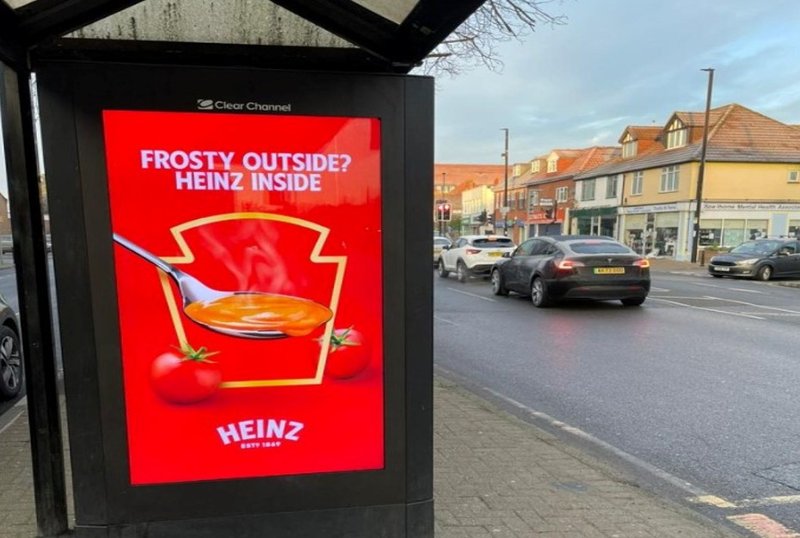
The message should also match the goal. A bulletin should deliver one clear idea at scale. A poster should use focused messaging that fits the local audience and placement.
For creative planning, this guide to effective billboard messaging offers helpful context on keeping outdoor ads simple, readable, and easy to process.
When the format supports the goal, the campaign becomes easier to plan, measure, and remember.
Choose Between Bulletin vs Poster Billboards with Better Market Access
Choosing between bulletin vs poster billboards is easier when advertisers can compare more than a small set of available spaces. Limited inventory can make the decision feel like a choice between what is open rather than what fits the campaign best.
Better market access helps companies compare formats, locations, visibility, audience movement, and costs before committing. That makes it easier to decide whether a larger bulletin, a more targeted poster, or a mix of both will support the campaign goal.
For companies reviewing billboards in Atlanta, format, location, number of boards, and campaign length can all shape the final plan. Billboard Connection Atlanta helps businesses compare options with access to every billboard in every market in the U.S.
If your team is comparing bulletin vs poster billboards, reach out to Billboard Connection Atlanta to explore options that fit your market, message and audience.