

OOH advertising is entering a new era. Planning, buying, and measurement look far more like modern media without losing what makes outdoor powerful. For mid-market organizations, that shift matters more. Budgets need to work harder, stakeholders need clarity, and every channel is expected to prove impact. The good news is that outdoor is becoming easier to evaluate, optimize, and more flexible.
The next few years will reward teams that treat out-of-home as a system, not a one-off purchase. That system includes better audience signals, more agile screen options, and stronger accountability across the funnel. Here is what is changing, and how to prepare.
Digital Screens and Programmatic Buying Will Become Standard for OOH Advertising
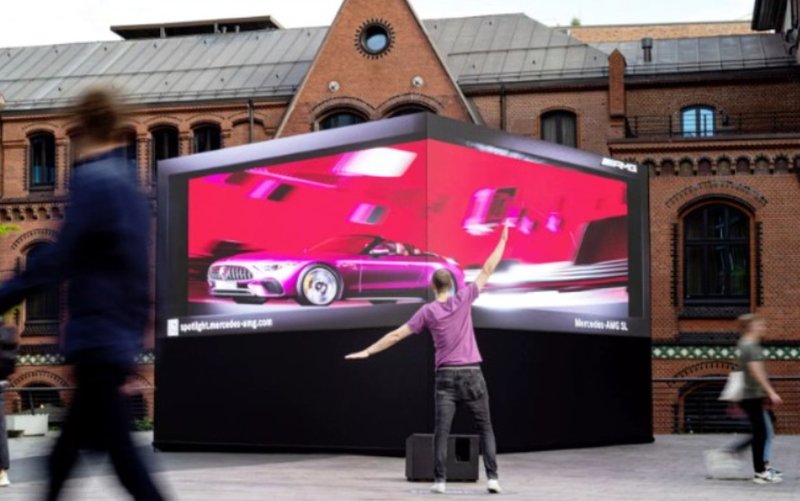
Digital out-of-home continues to expand in both capability and adoption. The industry is also aligning around clearer definitions and buying frameworks. The IAB describes OOH advertising as digital screens in public and commercial spaces that deliver dynamic content. This normalizes how buyers think about inventory types, creative specs, and campaign controls.
For mid-market teams, the practical shift is speed. Digital screens allow faster swaps and more versions of an offer. It also gives tighter coordination with product launches, hiring pushes, or seasonal demand. Programmatic workflows build on that by enabling more flexible purchasing. Industry outlook pieces consistently flag this direction as a major driver of growth and modernization for outdoor placements.
Measurement Will Keep Moving Toward Clearer Accountability
One of the biggest barriers for growth-stage advertisers has been uncertainty. That is improving. The OAAA has published impression measurement guidelines intended to support impression-based evaluation, attribution approaches, and compatibility with modern modeling. As measurement standards mature, it becomes easier to compare outdoor with other channels using existing KPIs.
In parallel, more planners are treating outdoor as a contributor to broader outcomes, not just a standalone awareness layer. Impressions are increasingly refined with visibility and movement inputs rather than raw traffic alone. This helps buyers compare placements more responsibly. That shift supports better internal reporting for executives who want proof, especially when the campaign goal includes pipeline, applications, or store visits.
Hyperlocal Planning Will Win Because “One City” Is Not One Audience
The future of OOH advertising is not only about technology. It is also about geography done well. Many mid-market advertisers expand by region, metro, or multi-city footprints, and outdoor is uniquely suited to support that growth because it can mirror how people actually move through a market. The most effective plans will focus on sub-areas inside a metro, including key towns, neighborhoods, and commuter routes, rather than treating an entire city as one uniform unit.
That approach becomes even more valuable as brands pursue tighter account coverage. A corridor strategy can reinforce credibility in business districts, industrial zones, medical clusters, and logistics hubs without wasting spend on areas that do not align with the target profile. It also improves message relevance because the creative can reflect a location context that feels specific, not generic.
Full-Market Visibility Will Matter More as Inventory Fragmentation Creates Blind Spots
A major, often unspoken challenge in outdoor displays is access. Inventory is fragmented across many owners, and many advertisers only see a narrow slice of what exists when they shop through limited networks. That creates a budget problem and a performance problem. You might pay more than necessary, accept weaker sightlines, or miss the corridor that actually fits your audience because it sits outside the available catalog.

As buying becomes more data-driven, this constraint becomes harder to justify. Modern planners want to compare options across the whole market, weigh tradeoffs, and choose placements that match objectives instead of settling for what happens to be offered. In the next phase of outdoor, full visibility into availability will be a competitive advantage for mid-market teams seeking efficiency and stronger outcomes.
What to do now: insist on seeing multiple options across the exact areas you need. Treat access as part of ROI, because choice improves both price discipline and placement quality.
Build a Smarter OOH Plan With the Right Inventory Access and Local Expertise
The future of outdoor will reward teams that combine hyperlocal planning with full-market choice, then execute with simple workflows that stakeholders can trust. Billboard Connection supports medium and large organizations by making out-of-home straightforward from location analysis through buying, while removing the common obstacle of limited access. Their localized expertise helps advertisers plan by metro and by the towns within each area, and their promise of access to every billboard in every U.S. market keeps buyers from getting boxed into a single provider.
If you want to modernize your approach and build a plan that is easier to scale, contact Billboard Connection to review options, compare placements across the full market, and move forward with confidence.