

Highway billboards’ cost can rise or fall based on traffic volume, demand, and the quality of the placement. A board on a heavily traveled route often costs more because it can create more daily exposure for the brand.
However, traffic volume is only part of the story. A higher-rate billboard should still support the campaign goal, reach the right audience, and offer clear visibility from the road.
For brands comparing highway billboard options, the key is understanding why rates fluctuate. When cost is viewed alongside traffic, location, and audience fit, it becomes easier to choose the placement that offers the strongest value.
Why Highway Billboards Cost More in High-Traffic Areas
One of the clearest reasons rates fluctuate is traffic volume. Highway billboards cost more in high-traffic areas because they can deliver more daily exposure. A board on a busy route may reach drivers, passengers, and commuters throughout the day.
As a general ballpark:
- Lower-traffic or secondary highway placements may start around $1,500 to $3,500 per month
- Moderate-traffic highway placements may fall closer to $3,500 to $8,000 per month
- Premium highway corridors in major markets can reach $8,000 to $20,000 or more
That range is not fixed. A digital billboard, limited availability, or a highly desirable commuter route can push rates higher. A static board on a less competitive route may cost less but still offer value if it reaches the right audience.
For brands reviewing local pricing, understanding billboard advertising costs in Midtown Atlanta can help frame how location, visibility, and demand affect the final media buy.
Even with strong traffic, the placement still needs clear sightlines, readable creative, and enough viewing time. That is what turns exposure into real campaign value.
Traffic Volume Is Only One Part of Billboard Value
Traffic numbers can help explain pricing, but they do not guarantee performance. A billboard with heavy traffic may still underperform if drivers see it too late or pass it too quickly.
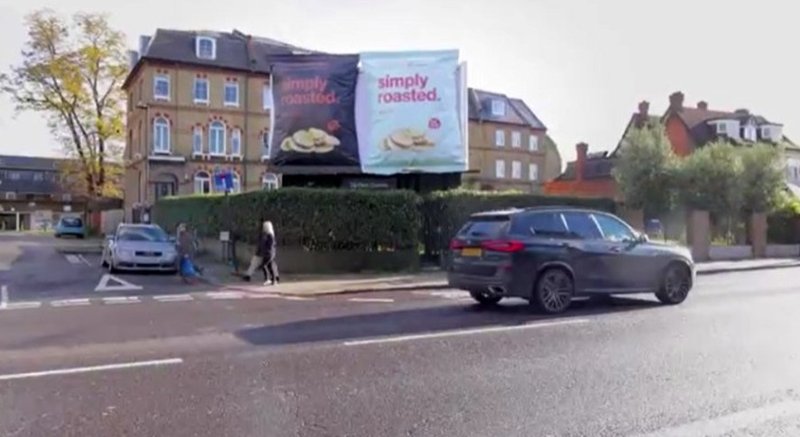
Sightlines, direction of travel, road speed, and nearby distractions all affect how well the message can be processed. A billboard also needs to reach the right audience, not just a large audience.
The best placement gives people enough time to notice the brand, understand the message, and remember it later. When traffic volume and visibility work together, the cost becomes easier to justify.
This is where a lower-cost board can sometimes outperform a higher-cost option. If it has a stronger audience fit, cleaner sightlines, or better repeat exposure, it may deliver more practical value for the campaign.
How Commuter Routes Affect Highway Billboard Pricing
Commuter-heavy routes can increase billboard value by creating repeated exposure. The same drivers may pass the board several times a week during morning and evening travel.
That repetition can help the message feel more familiar over time. A person may not act after one impression, but repeated visibility can support stronger brand recall.
This is one reason highway billboards cost more on major commuter corridors. The placement is not just reaching a large audience. It is reaching many of the same people repeatedly.
Major routes such as billboards on I-75 can help brands reach drivers, commuters, and regional travelers moving through high-demand corridors.
For brands focused on awareness, that steady exposure can make a higher-rate placement more worthwhile.
Why Location Demand Can Cause Rate Fluctuation
Location demand is another reason highway billboard rates can move up or down. A high-traffic route may already carry strong value, but pricing can rise further when several advertisers want the same type of visibility.
That demand often changes throughout the year. Retail seasons, major events, tourism periods, and high-travel months can make certain corridors more competitive. When more brands want to reach the same audience at the same time, available placements can become harder to secure.
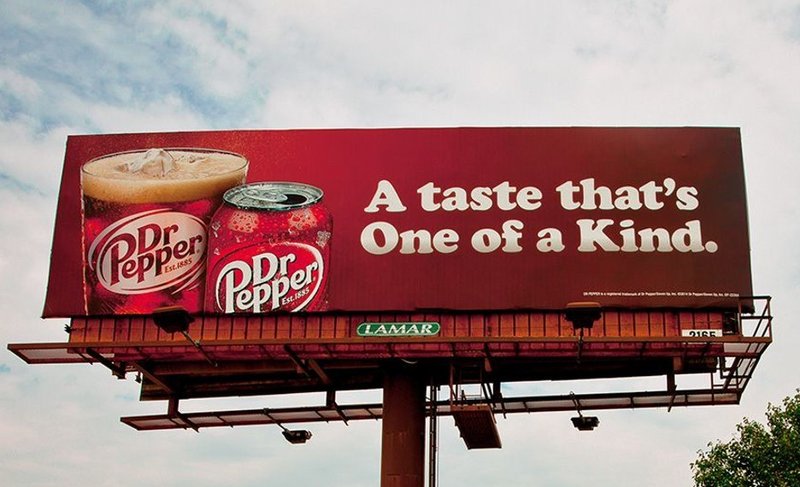
Inventory also plays a role. If only a few strong boards are open in a market, advertisers have fewer options to compare. That limited availability can affect the final rate, especially for routes with high visibility and repeat-commuter traffic.
In other words, highway billboard pricing is not based solely on traffic volume. The final cost also reflects timing, market demand, and the number of strong placements available when the campaign is ready to run.
How to Compare the Cost of Highway Billboards by Campaign Goal
The cost of highway billboards should be compared with the campaign's goal. A higher-rate board may make sense when the goal is broad awareness across a major market.
A more targeted route may work better for local campaigns, event promotion, or audience-specific visibility. In that case, the best value may come from reaching the right people instead of the most people.
The message also matters. A brand awareness campaign may need simple, repeated exposure. A campaign tied to a limited-time offer may need strong visibility near the right exits, destinations, or local corridors.
For companies weighing different formats and placements, popular billboard locations can support visibility across the markets where their audience moves.
When the goal is clear, it becomes easier to compare costs, locations, and expected values.
Plan Highway Billboard Campaigns with Better Market Access
Highway billboard pricing can vary by traffic volume, visibility, timing, and demand. That makes it important to compare more than one available option before committing.
Better market access helps businesses review highway placements by location, audience fit, sightlines, and overall value. It also helps avoid choosing a board only because it is available.
Billboard Connection Atlanta helps businesses review billboard opportunities with access to every billboard in every market in the U.S. That gives companies a clearer way to compare highway billboard options and choose placements that support real campaign goals.
If your team is reviewing the cost of highway billboards, reach out to Billboard Connection Atlanta to explore placements that can support visibility, recall, and better media value.