

Brand awareness is not a vague objective. It is the measurable advantage of being recognized, remembered, and trusted before a buyer ever clicks an ad or answers a sales call. Out-of-home advertising remains one of the most reliable ways to earn that advantage because it puts your message into real commutes, real neighborhoods, and real routines where attention is not filtered by algorithms.
The brands that win with OOH do not treat it like a one-time splash. They build a disciplined approach that connects placement, message clarity, and frequency to a clear business outcome. The framework below shows how to do that without overcomplicating the process.
Set Brand Awareness Target You Can Defend Internally
A strong awareness effort starts with a definition that your leadership team will accept. Choose a primary signal, then pick two supporting indicators that help tell the story.
Examples of primary signals include a lift in branded search, increased direct traffic, stronger recall in sales conversations, or improved store visits in a defined territory. Supporting indicators can include incremental site engagement on a dedicated landing page, higher conversion rates from other channels in the same region, or a rise in inbound inquiries that reference seeing your name.
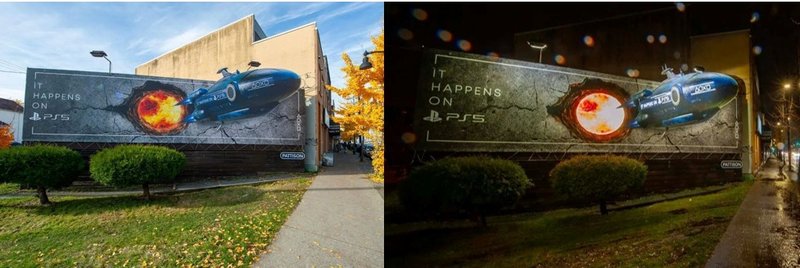
Next, decide where awareness matters most. Mid-market organizations often have uneven coverage, with strong recognition in one corridor and limited familiarity in another. Treat your footprint like a map, not a state line. Make the plan specific to metros and the towns within them, because that is how people actually move.
Build a Location Map That Matches Real Movement
OOH works best when placement selection follows buyer movement, not guesswork. Start with the routes your audience uses most often: commuter arteries, connectors between key districts, and the approach roads that funnel traffic into commercial centers.
Direction of travel matters. A billboard facing the wrong flow can miss your core audience even if it sits on the perfect road. Read time matters too. A great location can underperform if the message is placed too close to a merge, a tight curve, or a decision point that steals attention. Sightline clarity is also critical. Obstructions, trees, and poor angles can reduce readability more than many teams expect. Competitive clutter is the final check. A placement surrounded by bright signage, dense billboards, or busy retail lighting can dilute recall.
A helpful habit is to categorize each unit by its job in the plan. Some placements introduce the brand at a gateway. Others reinforce the name near the destination. That structure turns scattered billboards into a deliberate sequence that supports memory.
Create Road-Speed Creative That Builds Recognition Fast
Brand awareness creative has one goal: make the brand easy to recognize and hard to forget. That means fewer words, clearer hierarchy, and consistent visual identity.
Start with one idea per billboard. If you need two points, the message is probably too complex for road speed. Use a short headline, a simple supporting phrase, and one next step if a call to action is required. Many awareness campaigns perform well with a soft action like “Learn More” paired with a short URL, especially when the goal is to seed familiarity.

Digital formats introduce additional discipline. Motion can attract attention, yet excessive movement can reduce comprehension. Keep transitions minimal and ensure each frame communicates the same core idea. Consistency across multiple units also matters. If the audience sees a different look every time, recall weakens.
Measure Lift and Improve Without Overcomplicating Attribution
OOH does not need perfect attribution to be accountable. It needs a clean measurement approach that matches the objective.
Begin with a tracking setup that separates the OOH effect from background noise. Use a dedicated landing page for the region, a tracked phone line, or a short URL that appears only on the billboards. Pair that with a baseline comparison such as pre-flight branded search volume or direct traffic levels.
During the flight, look for directionally consistent signals, not daily spikes. Awareness builds through repeated exposure, so focus on week-over-week patterns. Also check whether other channels improve inside the same territory. A common effect is that paid search and retargeting convert more efficiently when the audience already recognizes the name.
Optimization should be controlled. If performance is soft, adjust creative before moving locations. Message clarity is often the issue. If the message is strong and lift is still weak, review the map. A placement may have high volume yet miss the right commuters. Tightening the corridor focus can improve results without increasing spend.
Turn Awareness Into a Repeatable OOH System With Full Inventory Access
The biggest hidden barrier in OOH is not creative or budget. It is limited access to the inventory you actually want. Many buyers only see a partial slice of available billboards in a town or metro area, which forces compromises on visibility, direction, or neighborhood fit.
Billboard Connection solves that constraint for medium and large organizations by combining localized expertise at the metro and town level with 100 percent access to every billboard in every U.S. market. That full-market visibility makes planning simpler because you can compare options across the exact areas that matter, then choose placements based on performance logic rather than availability luck.
If you want a brand awareness plan that is easier to execute and easier to justify, send us a message to review inventory, map high-impact corridors, and build a flight designed to improve ROI.