
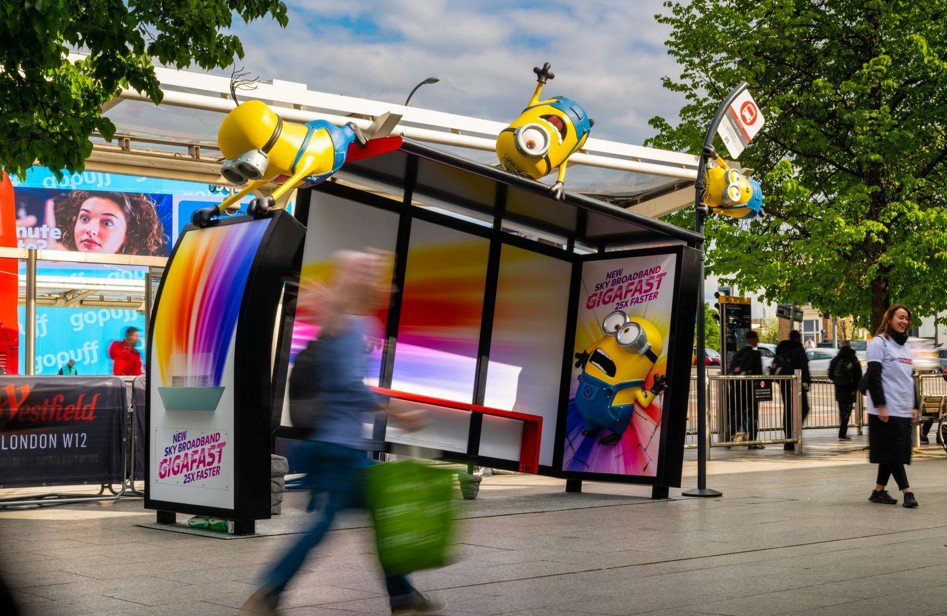
Outdoor media buying can shape how well a campaign performs in the next quarter. When business goals, market activity, and audience habits shift, buying outdoor media should be based on more than which spaces are available.
A smarter quarterly plan starts with the outcome the company wants to support. That might be stronger brand awareness, a seasonal push, event visibility, regional growth, or better reach in a competitive market.
From there, the media buy should connect the right locations, formats, timing, and creative. When those pieces work together, each placement has a clearer purpose and a better chance of reaching the right audience.
Start With the Campaign Goal for the Quarter
A smarter outdoor media buy should start with the goal for the quarter. The campaign may need to support brand awareness, a product launch, an event, hiring, seasonal demand, or regional growth.
That goal should shape the rest of the plan. A brand awareness campaign may need broader market coverage. An event campaign may need placements near key routes or venues. A hiring campaign may need visibility near workforce-heavy corridors.
For companies planning billboard advertising in Atlanta, the goal should guide the message, timing, and placement.
This step keeps the media buy focused. Instead of choosing space because it is available, the company can choose placements that support a clear business outcome. When the goal is clear, outdoor media buying becomes more strategic and easier to evaluate.
Review Audience Movement Before Choosing Locations
A strong location is not always the busiest one. The better question is whether the right audience moves through that area often enough to notice and remember the message.
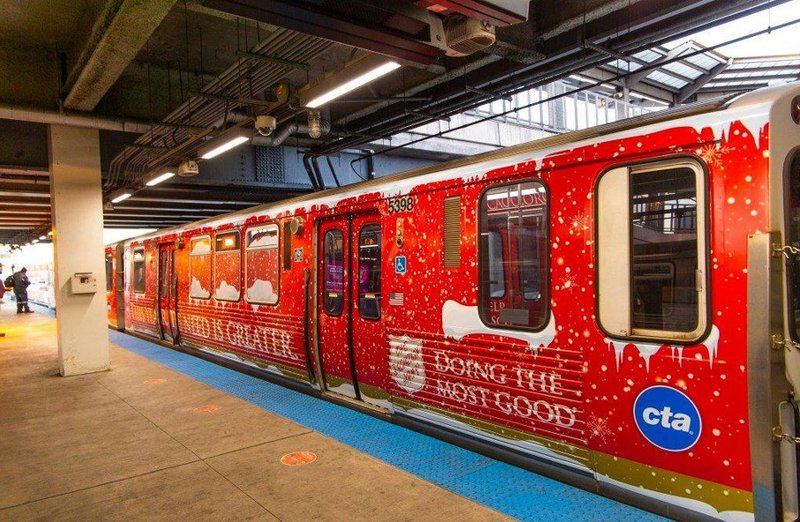
Audience movement should guide the buy. Depending on the campaign, that may include:
- commuter routes
- business districts
- airport corridors
- retail areas
- event venues
- workforce-heavy corridors
This matters because outdoor advertising reaches people during real daily movement. A campaign should reflect where the audience works, shops, travels, or makes decisions.
When placement follows audience behavior, the media buy becomes more intentional.
Compare Outdoor Media Formats Before Committing
Different outdoor formats can support different goals. A traditional billboard may help build steady awareness, while a digital billboard can support timing, message changes, or shorter campaign windows.
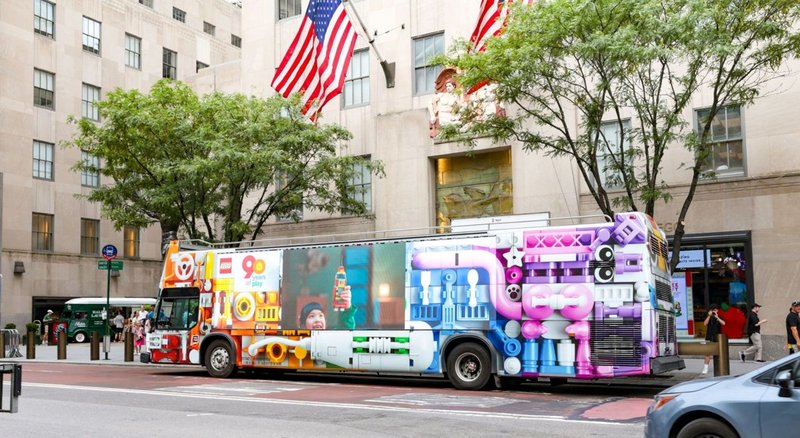
Other formats may also make sense depending on the audience. Depending on the campaign, transit ads may help brands reach people during daily movement.
The format should fit the campaign, not just the budget. A company promoting a major launch may need broad visibility on the road. A brand targeting shoppers may want placements near retail areas.
Comparing formats early helps the media buy stay flexible and practical.
Match Timing to Market Activity
Timing can affect how well an outdoor campaign performs. A strong placement may not reach its full value if it runs during the wrong window or misses the period when the audience is most active.
Quarterly planning should account for seasonal demand, event calendars, travel patterns, sales cycles, and local market activity. These factors can change how often the audience moves through certain areas and how ready they are to notice the message.
For example, a campaign tied to an event may need visibility before and during the event, not just on the event date. A seasonal campaign may need enough lead time to build recognition before demand peaks. A regional awareness campaign may need steady exposure throughout the quarter to stay familiar.
Timing also affects creative decisions. A short promotional window may need a direct message and clear call to action. A longer awareness campaign may focus more on brand recall.
When timing supports the goal, outdoor media buying becomes more efficient and easier to measure.
Keep Creative Simple Enough for Outdoor Viewing
A smart media buy still needs strong creative. Even a great location can underperform if the message is hard to read.
Outdoor ads have only a few seconds to work. The creative should use short copy, clear branding, and one main idea. Crowded visuals or long explanations can reduce impact fast.
The message should also match the placement. A digital board may support timely updates, while a traditional board may work better for steady brand recognition.
When the creative is easy to process, each placement has a better chance of being seen, understood, and remembered.
Use Better Access to Make Smarter Outdoor Media Buying Decisions
Outdoor media buying works best when companies can compare more than a small set of available spaces. Limited inventory can lead to limited decisions.
Better access makes it easier to review locations, formats, traffic patterns, sightlines, and campaign fit. That helps companies choose placements based on strategy instead of convenience.
Billboard Connection Atlanta helps businesses find quality billboard locations with maximum visibility and compare outdoor media opportunities with better market access. That gives companies a clearer way to build campaigns around real quarterly goals.
If your team is planning outdoor media buying this quarter, reach out to Billboard Connection Atlanta to explore placements that can support stronger visibility and better campaign results.