

Interstate 20 runs east to west across metro Atlanta. It connects downtown to fast-growing suburbs on both sides of the city. To the west sits Douglasville. To the east sit Conyers and Covington. For brands that need broad metro reach, advertising on I-20 Atlanta puts your message in front of a large, diverse audience every single day.
The corridor is often overlooked in favor of GA-400 or I-85. That is exactly what makes it valuable. Less competition and strong daily traffic can produce better placement value for brands that know how to use it.
Why Advertising on I-20 Atlanta Deserves More Attention
I-20 carries some of the highest daily traffic volumes in the Atlanta metro. It serves commuters, freight drivers, regional travelers, and city residents. Unlike GA-400, it reaches a broader cross-section of the metro rather than skewing toward one demographic group.
That diversity is an asset for many campaign types. Consumer brands, healthcare systems, and retailers along the corridor all benefit from the scale I-20 delivers. For brands planning billboard advertising in Atlanta, I-20 rounds out a metro strategy that north-side corridors alone cannot complete.
The Key Segments of I-20 for Billboard Placement
I-20 passes through several distinct market areas. Each one carries a different audience. Knowing which segment fits your goal makes a big difference in results.
- Downtown and Midtown connector — This stretch near downtown carries the highest traffic on the corridor. It reaches commuters, event attendees, and urban professionals. It works well for brands building city-wide awareness or targeting a broad downtown audience.
- West Atlanta and Douglasville — This segment connects urban Atlanta to the growing western suburbs. It carries a high volume of daily commuters and serves working families, retail consumers, and small business owners. Furthermore, it works well for healthcare, financial services, and home improvement brands.
- East Atlanta toward Conyers — This stretch passes through Lithonia, Conyers, and Rockdale County. It reaches a fast-growing suburban population. In addition, it serves as the main commuter route for thousands of East Metro residents heading into the city each morning.
How Advertising on I-20 Atlanta Compares to Other Corridors
Every major Atlanta corridor serves a different role. I-85 north connects the city to the airport and industrial south. GA-400 serves the affluent northern suburbs. I-285 circles the full metro perimeter. I-20 fills a different role.
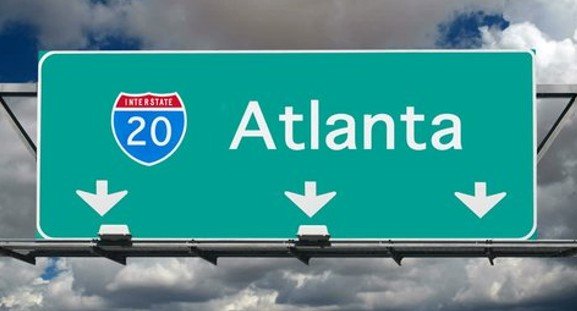
It reaches the east and west markets that other corridors do not cover well. As a result, brands that rely only on GA-400 or I-85 miss a large portion of the metro population. Adding I-20 to a broader plan creates a more complete footprint without repeating the same audiences.
Moreover, thinking about billboards as a long-term brand tool changes how I-20 fits into a campaign. Steady presence on this corridor builds recognition among a large repeat-commuter audience over time.
What to Look for When Choosing an I-20 Placement
Not every billboard on I-20 delivers equal value. The corridor runs for miles and passes through very different areas. When reviewing placements, focus on three key factors:
- Facing direction — Eastbound faces catch the morning commute into the city. Westbound faces catch the afternoon drive back toward the suburbs. The right direction depends on when your audience travels and which message fits that moment.
- Sightline distance and approach speed — A face with a long approach window gives drivers more time to read the message. Short sightlines on curved or elevated sections reduce viewing time even on a busy stretch.
- Proximity to points of action — A retail brand benefits most from placements near exits that lead to shopping areas. A healthcare brand benefits from faces near hospital campuses or large residential communities. The closer the billboard sits to where the audience acts, the stronger the connection.
The right placement scores well on all three. Finding it requires seeing the full inventory on the corridor, not just what one vendor shows.
Building a Campaign Around I-20 Atlanta
Advertising on I-20 Atlanta works best as part of a broader corridor strategy. It pairs well with I-285 for perimeter coverage and with downtown or Midtown faces for city-center visibility. Together, these corridors give a brand steady presence across the east, west, and central metro.

For brands new to Atlanta, I-20 offers a strong entry point. Inventory here tends to be more available and more competitively priced than in GA-400 or the northern suburbs. That makes it a smart first step for brands testing the market. A solid campaign success plan treats I-20 as one part of a coordinated Atlanta footprint rather than a standalone buy.
Why Full Inventory Access Changes Your I-20 Strategy
I-20 inventory spreads across multiple operators. A national vendor may control some faces while regional operators hold others. Because of that, a buyer working with one vendor sees only part of what is available. The strongest placements near key exits or high-visibility interchanges may never come up.
Working with a partner who has access to every billboard on every corridor removes that problem. Every open face on I-20 becomes part of the comparison. As a result, the strongest placement for your goal and your budget moves to the front of the list. Reach out to Billboard Connection to start building a campaign around I-20 and the broader Atlanta corridors that fit your audience and your plan.