

Interactive billboards can be worth the investment when engagement adds clear value to the campaign. They do more than place a message in front of people. They give the audience a reason to notice, respond, or remember the brand.
Still, the investment should be tied to a real purpose. Some campaigns need broad visibility, while others need participation, buzz, or a more memorable brand experience.
The strongest interactive billboard campaigns are planned around the audience, location, and goal. When those pieces fit, the interaction can support stronger recall instead of becoming an expensive extra.
What Makes Interactive Billboards Different
Interactive billboards do more than display a message. They invite the audience to take part in the ad experience, which can make the placement feel more active and memorable.
That interaction may be simple, such as scanning a QR code, voting in a poll, or responding to a mobile prompt. It may also be more advanced, such as using live data, motion sensors, social media feeds, games, countdowns, or real-time audience participation.
Many interactive campaigns use digital formats because digital billboards can support flexible messaging, timing, and more dynamic creatives.
The difference is the role of the audience. With a standard billboard, people see the message and move on. With an interactive billboard, they may take a small action that connects them more directly to the brand.
That added engagement can support stronger recall, especially when the interaction is easy to understand and tied to the campaign goal. The feature should make the message clearer or more useful, not distract from it.
When Interactive Billboards Are Worth the Investment
Interactive billboards are most useful when the campaign needs attention, participation, or buzz. They can work well for product launches, event promotion, tourism campaigns, entertainment brands, retail activations, and experiential marketing.
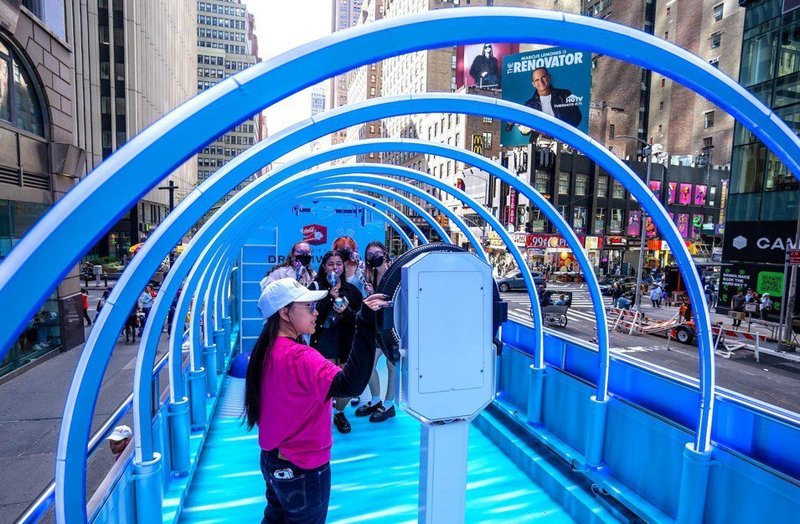
Type caption (optional)
These campaigns often benefit from more than simple exposure. They need people to notice, respond, share, or remember the brand after the first impression.
Interactivity can also help when the location supports engagement. A billboard near a pedestrian area, venue, mall, or entertainment district may give people more time to participate.
The investment makes more sense when the interaction has a clear purpose. It should support the campaign goal, not just add a flashy feature.
When a Simpler Billboard May Be the Better Choice
Not every campaign needs an interactive feature. In some cases, a traditional or digital billboard may deliver stronger value because the message is easier to see, repeat, and remember.
A simpler billboard can work well for steady brand awareness, long-term visibility, location-based promotion, or budget-conscious campaigns. If the main goal is recognition, the extra cost of interactivity may not be necessary.
The audience also matters. If people are moving quickly, they may not have time to scan, respond, or engage. In that setting, a clear headline and strong branding may perform better.
Interactive billboards should add value to the campaign. If the feature creates friction or distracts from the message, a simpler format may be the smarter choice.
How Location Affects Interactive Billboard Performance
Location can determine whether people have time to engage. An interactive billboard may look impressive, but it needs the right environment to work.
Interactivity often performs best in places where people slow down or stop, such as:
- pedestrian zones
- transit areas
- entertainment districts
- malls
- campuses
- event venues
For brands considering interactive billboards, location matters even more when the campaign asks people to scan, stop, or respond.
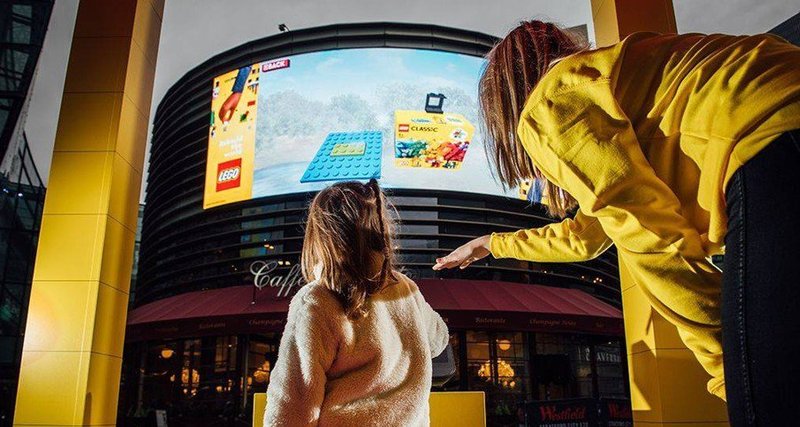
Fast-moving roads are different. Drivers may not be able to scan, tap, or participate safely. In those areas, a simpler message may be more effective.
The best location should match both the audience and the interaction. If people have enough time and space to engage, the investment is more likely to pay off.
Creative Strategy Matters More with Interactive Billboards
Interactive billboards work best when the creative is clear and immediate. Viewers should understand what action to take within seconds. Any interactive element, whether a QR code, mobile prompt, countdown, or live feature, should feel simple, purposeful, and aligned with the message. It should enhance the experience without pulling attention away from the brand.
Strong creative also makes the value of engaging clear. People are more likely to respond when they know what they will gain, whether that is useful information, entertainment, a discount, early access, or something worth sharing. When the message and interaction align, the billboard becomes easier to process and more likely to leave a lasting impression.
Plan Interactive Billboard Campaigns with Better Access
Interactive billboards require more planning than a standard placement. The campaign needs the right format, location, audience fit, and creative approach.
Better access to inventory makes that easier. Companies can compare locations, visibility, dwell time, and format options before committing to a placement.
Billboard Connection Atlanta helps businesses review billboard opportunities with access to every billboard in every market in the U.S. That gives companies a clearer way to find placements that support interactive campaigns and reach the right audience in the right environment.
If your team is considering interactive billboards, reach out to Billboard Connection Atlanta to explore options that can support engagement, visibility, and stronger brand recall.