
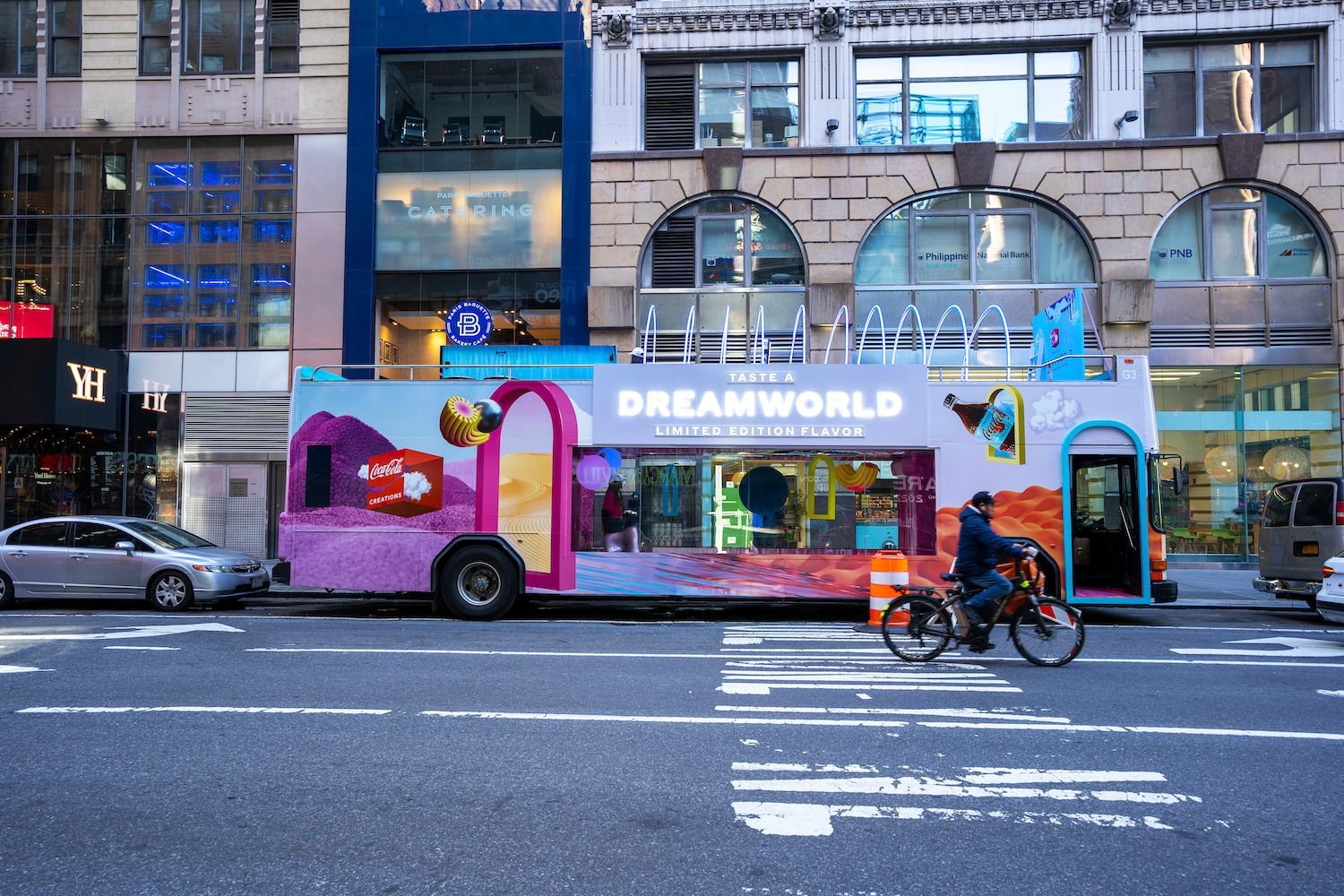
In today’s fast-paced marketing world, mobile billboard advertising offers a flexible way to reach audiences where they live, work, and commute. Mounted on vehicles and driven through targeted areas, mobile billboards provide visibility that stationary ads cannot match. They allow brands to move with their audience, targeting neighborhoods, events, and commuter routes in real time.
Like any marketing tactic, mobile billboards have advantages and limitations. Understanding these pros and cons helps determine if this approach aligns with your brand goals and audience strategy.
The Pros of Mobile Billboard Advertising
Many factors can affect the ROI of your billboard advertising strategy. Here are a few reasons to choose mobile billboards:
1. High visibility and local targeting
Mobile billboards can reach audiences in a precise and intentional way. By driving through neighborhoods, business districts, or commuter routes, brands can position their message where it matters most. They are particularly effective for:
- Grand openings, product launches, or local events
- Retail or restaurant promotions in specific neighborhoods
- Targeting commuters along high-traffic highways
2. Flexibility in campaign placement
Unlike traditional billboards, mobile ads can adjust their routes based on real-time factors. Businesses can alter campaigns to match changing traffic patterns, special events, or seasonal audience shifts. This flexibility enables advertisers to:
- Test different areas to determine which routes generate the highest engagement
- Shift campaigns for specific timeframes, such as weekends or peak commuting hours
- Respond quickly to new market opportunities or competitive moves
3. Cost efficiency
Mobile billboards often require lower upfront costs than premium static billboard locations while still delivering strong reach. They combine the visibility of out-of-home advertising with a manageable investment, making them suitable for both large campaigns and smaller localized efforts.
4. Memorable and attention-grabbing
The novelty of a moving billboard helps it stand out in visually cluttered environments. Motion naturally draws attention, and the repeated exposure along commuter routes can boost brand recall and awareness. A striking design on a mobile vehicle can leave a lasting impression on both pedestrians and drivers, helping reinforce brand recognition.
The Cons of Mobile Billboard Advertising
The negative aspects of mobile billboard advertising usually are a result of:
1. Limited exposure time
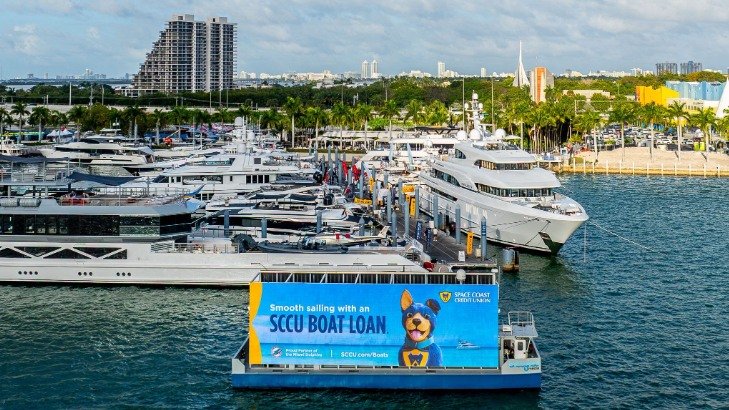
Unlike stationary billboards, which remain visible all day, mobile billboards are only seen while driving or parked in select locations. Exposure depends on route planning, traffic conditions, and timing. Without careful planning, campaigns may fail to reach the intended audience effectively.
2. Weather and traffic dependency
Rain, snow, or congestion can reduce visibility. Mobile campaigns are sensitive to external conditions that advertisers cannot control. While these factors do not eliminate the benefits of mobile billboards, they introduce variables that need to be managed proactively.
3. Smaller message space
Vehicles offer less surface area than traditional billboards. Messaging must be concise, bold, and visually compelling to ensure it’s quickly readable. Overloading the design with text or imagery reduces effectiveness and diminishes engagement.
4. Route planning complexity
To maximize impressions, campaigns require careful route design, scheduling, and frequency analysis. Without expertise or local insights, mobile billboards risk missing high-traffic areas, resulting in wasted exposure and reduced ROI.
Strategic Considerations for Maximum Impact
To succeed with mobile billboards, businesses should focus on strategy, targeting, and execution. Key factors include:
- Audience knowledge – Understanding where your target audience lives, works, and commutes is essential for effective routing.
- Message simplicity – Design must be clear, bold, and easy to read in seconds. Long text or complicated graphics reduce impact.
- Campaign integration – Mobile billboards are most effective when combined with other advertising channels, such as social media, email marketing, or static billboards. A consistent message across channels reinforces brand recognition.
- Timing and frequency – Planning routes to coincide with peak traffic hours or high-visibility events ensures maximum impressions.
Partnering with a trusted agency like Billboard Connection adds a significant advantage. Their team provides expertise in route planning, vehicle management, and audience targeting. This ensures campaigns reach the right people consistently, maximizing both exposure and ROI.
Measuring Success and Optimizing Campaigns
While mobile billboards do not generate clicks like digital ads, businesses can measure success in other ways:
- Tracking route coverage and vehicle mileage to estimate impressions
- Monitoring foot traffic or event attendance in targeted areas
- Comparing awareness or engagement metrics before and after campaigns
Agencies can help interpret these metrics and refine campaign strategies. By analyzing which routes and locations generate the most visibility, businesses can continually optimize campaigns to reach audiences more effectively.
Is Mobile Billboard Advertising Right for Your Brand?
Mobile billboard advertising offers a flexible, high-visibility way to reach local and regional audiences. While exposure is temporary and vehicle size limits messaging, strategic planning, and professional guidance maximize results.
Partnering with experts like Billboard Connection ensures campaigns are efficiently executed, routes are optimized, and messages stand out. When done right, mobile billboards can boost brand awareness, engage audiences, and drive measurable ROI. Get started by reaching out today.